
In Slovakia, the term „wellbeing“ is becoming established. Translations like „quality of life,“ „comfort,“ „welfare,“ and "positive development" are not entirely felicitous, or rather, do not encompass the full breadth of its meaning.
Wellbeing is a combination of feelings and states that create a kind of overall harmony.
When it comes to well-being, it's about enthusiasm for one's work (not just economic profit), the need to build and maintain healthy relationships, and it also captures the need for stability in one's own finances.
In this package of feelings, we mustn't forget to add the level and quality of our health – both mental and physical – both took a hit during COVID. Last but not least, this also includes a feeling of harmony with the social environment in which we live.
Even though the concept of wellbeing is unknown to many, its history goes back 80 years.
Based on long-term research 5 statistically significant factors were identified. The good news is that we can all influence them to some extent. Let's take a look at them.
- Meaningfulness
The mission of every person is (or at least should be) to create value. It doesn't matter if it's in personal or professional life. The goal should be meaningful work with a specific purpose.
- Finance
Everyone needs money, but we perceive the feeling of financial stability differently. A stable economic situation within the family, and at work, contributes to a sense of well-being.
- Relationships
Interpersonal relationships, whether in the workplace or within the family, are an extremely important part of well-being. The quality of relationships has a proven impact on our health and overall life satisfaction.
- Health
Let's stay on the topic of health, as it's an inseparable factor of well-being. During COVID, the importance of mental health increased significantly. We should not forget about physical health either – we can influence this with good lifestyle habits and physical activity, or mental exercises.
- Company
Empathy and helping others fills us with satisfaction. Participating in activities (in our city or workplace) helps us socialize more and achieve common goals.
These individual factors are interconnected and influence each other.
Let's illustrate this with an example. If you have the flu with a fever, your health is affected. At the same time, this condition affects your financial well-being (less income from sick pay, expenses for treatment, etc.). Interpersonal relationships (especially at work) are significantly limited during illness. Your condition prevents social contact and at the same time, you are unable to perform your full duties at work or at home.
According to a Gallup poll, Two-thirds of people are successful in at least one area. Only 7% of respondents reported being successful in all five factors.
We've already mentioned that factors influence each other. If you start doing exceptionally well in one area, it also affects the remaining 4 factors.
People with higher well-being are healthier, more productive, more resistant to stress, and better at facing challenges. They cope more easily with social crises (for example, the current pandemic). They recover more quickly from unexpected events, are more willing to help, and contribute in various ways to the development of communities, organizations, and society.

Why should you talk about well-being at work?
Workplace well-being concerns all aspects of working life, from the quality and safety of the physical environment to how workers feel about their jobs. The goal of workplace well-being measures is to complement H&S (Health & Safety) measures to ensure that workers are safe, healthy, happy, and engaged in their work.
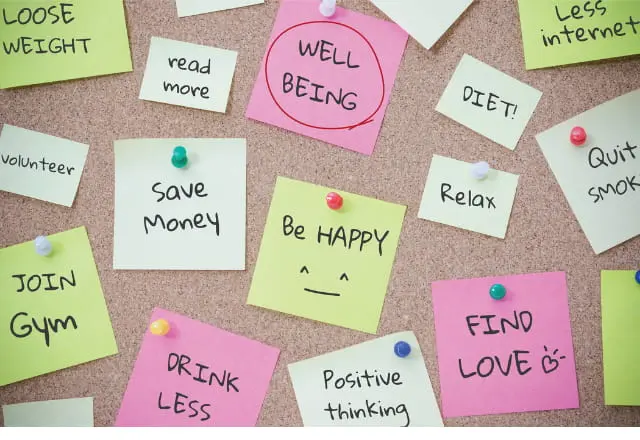
Employee well-being is a key factor in determining an organization's long-term effectiveness. Numerous studies indicate a direct correlation between productivity levels and the overall health and well-being of the workforce. Businesses are increasingly recognizing the need to take the well-being of their employees seriously.
Leading employers recognize that their greatest asset is their workforce.. Inadequate recognition and support for employee well-being can lead to workplace issues such as stress, bullying, conflicts, alcohol and drug use, and mental health disorders.
Solutions such as leadership, communication, and focusing on education and development are essential for anyone determined to make the workplace a more dignified and satisfying place to work.
Many countries abroad are beginning to incorporate this issue into legislation, and companies are adopting programs focused on specific workplace health problems as a supplement to traditional OSH measures.

 Slovenčina
  English